

Most people know they’re supposed to get a dental cleaning every six months. But knowing and doing are two very different things. Life gets busy, appointments get pushed, and before you know it, a year or two has gone by. It doesn’t feel urgent because nothing hurts. That’s exactly why skipping cleanings is so easy to justify.
The trouble is, your mouth doesn’t always give you warning signs. Gum disease, tooth decay, and even oral cancer can develop quietly for months before you feel anything at all. By the time you do notice something, the treatment involved is usually far more extensive than a simple cleaning would have been.
What Happens When You Skip Cleanings
Every day, a sticky film of bacteria called plaque forms on your teeth. Brushing and flossing remove most of it, but they don’t reach the tight spaces between teeth and along the gumline. When plaque stays in place for more than a couple of days, it hardens into tartar (also called calculus). Tartar can’t be removed by brushing. Only a professional cleaning can take it off.
That buildup is what drives the real costs. And those costs go beyond your dental bill. At DentRight Dental, the team sees this regularly: patients who delay routine care end up needing restorative work that could have been avoided entirely. On top of that, the connection between oral health and overall health is well established. Gum disease has been linked to heart disease, diabetes complications, and even adverse pregnancy outcomes. Routine preventive visits, along with treatments like teeth whitening, are part of an extensive commitment to keeping your mouth and your health in good shape.

Tartar buildup and gum disease
Tartar that sits along the gumline triggers inflammation. That inflammation is the beginning of gingivitis (the earliest stage of gum disease). Gingivitis is reversible with a professional cleaning and better home care. Left alone, it progresses to periodontitis, a more serious infection that damages the bone and tissue holding your teeth in place. According to the CDC, nearly half of adults aged 30 and older have some form of periodontal disease. That’s a significant number, and most of those cases were preventable.
Cavities that grow undetected
Tooth decay doesn’t always announce itself. A small cavity can sit in a tooth for months without causing pain. At a routine cleaning, your dentist takes X-rays and examines every surface of your teeth – catching decay early when a simple filling is all that’s needed. Miss that window, and the cavity reaches the inner pulp of the tooth. Now you’re looking at a root canal and possibly a crown. The difference in treatment complexity (and time in the chair) is substantial.
Staining that becomes harder to reverse
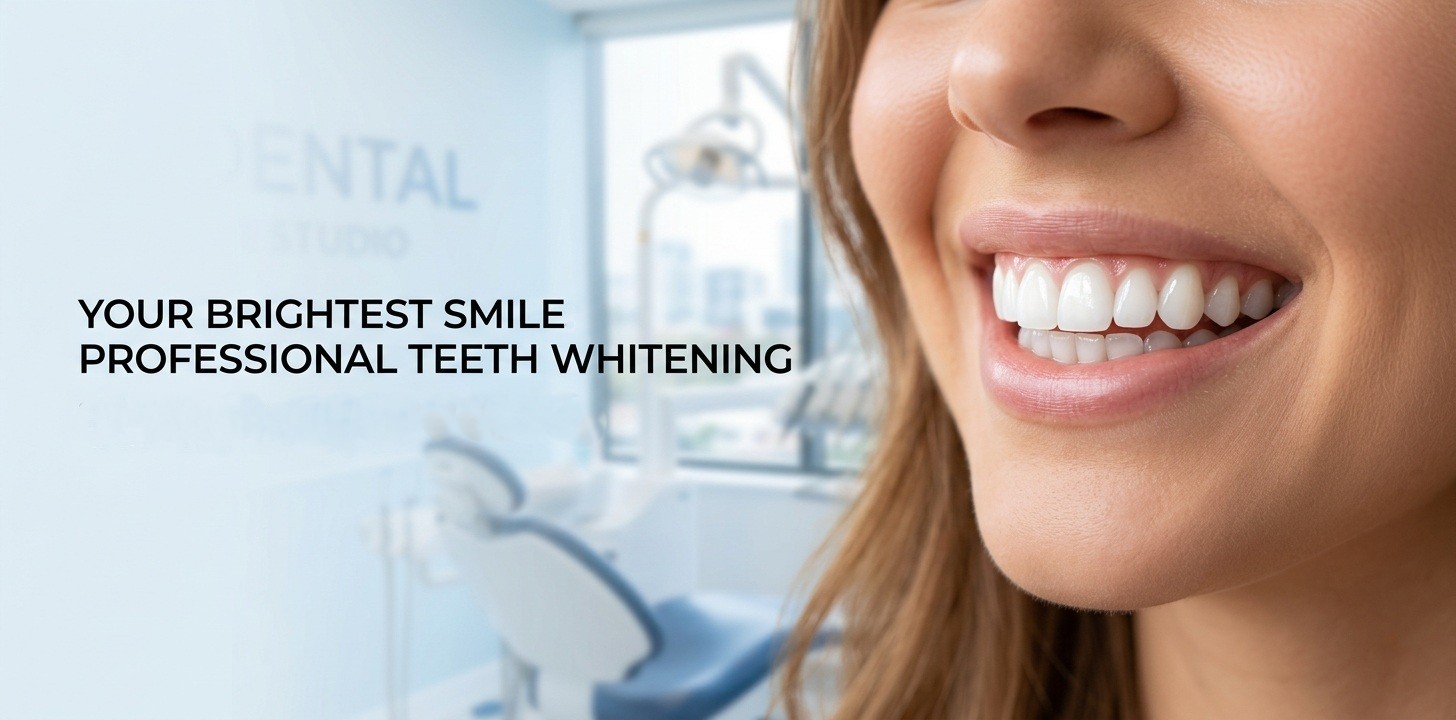
Coffee, tea, red wine, and certain foods gradually stain tooth enamel. Regular cleanings polish away surface stains before they set deeply into the tooth. Skip too many cleanings, and those stains become more stubborn and harder to lift, even with professional teeth whitening. The longer you wait, the more sessions it may take to get the result you’re after.
The Financial Reality of Skipping Preventive Care
Here’s a comparison that puts things in perspective. A routine cleaning and exam is one of the most affordable services in dentistry, and it’s covered by most dental insurance plans. Compare that to the cost of treating advanced gum disease, replacing a tooth lost to decay, or undergoing multiple whitening sessions to correct staining that regular cleanings would have managed.
The American Dental Association has long emphasized that preventive care is the most cost-effective investment you can make in your oral health. Every appointment you skip is a small gamble. You might get lucky at times. But the times you don’t, the catch-up treatment is costly.
What tends to surprise people the most is the domino effect. One skipped cleaning leads to tartar buildup, which leads to gum inflammation, which leads to bone loss, and suddenly, you’re discussing dental implants rather than a cleaning. At DentRight Dental in San Antonio, the goal is always to catch problems before they reach that point. That’s what preventive dentistry is for.
Signs You May Be Overdue for a Cleaning
Not everyone knows what to look for between appointments. Here are some signs worth paying attention to:
- Gums that bleed when you brush or floss
- Persistent bad breath that doesn’t improve with brushing
- Teeth that feel sensitive to hot, cold, or sweet foods
- Visible tartar buildup or discoloration along the gumline
- Gums that look puffy, red, or receding
None of these symptoms should be ignored, but it’s equally important to remember that many serious dental issues have no symptoms at all early on. Waiting for something to hurt before calling your dentist is a costly strategy.
Getting Back on Track in San Antonio
If it’s been a while since your last cleaning, you’re not alone, and there’s no judgment in coming back. The team at DentRight Dental in San Antonio works with patients at every stage, whether you’re six months behind or several years. The first step is always a thorough exam to assess where things stand, followed by a personalized plan to get your oral health where it needs to be.
San Antonio residents have access to a full range of preventive and cosmetic services, including professional teeth whitening to address staining that builds up when teeth are not cleaned regularly. Once your oral health is in good shape, keeping it there is much simpler and far less expensive than starting from scratch.
Schedule your cleaning and exam at DentRight Dental in San Antonio today. Whether it’s been six months or six years, the team is ready to help you move forward without pressure and without judgment.
People Also Ask
How often should you really get a dental cleaning?
Twice a year is the standard recommendation for most adults, but your dentist may suggest more frequent visits — every three to four months — if you have a history of gum disease, are prone to heavy tartar buildup, or have certain medical conditions like diabetes that affect oral health.
Can skipping dental cleanings cause tooth loss?
Yes, in serious cases. Advanced periodontal disease is one of the leading causes of tooth loss in adults. It develops when untreated gum inflammation progresses to an infection that destroys the bone and connective tissue supporting your teeth. Regular cleanings prevent the disease from reaching that stage.
Does dental insurance cover routine cleanings?
Most dental insurance plans cover two preventive cleanings per year at little to no out-of-pocket cost. If you have coverage, using those benefits is one of the simplest ways to protect your oral health. Check with your provider to confirm what’s included in your specific plan.
Is a deeper cleaning (scaling and root planing) the same as a regular cleaning?
No. A regular prophylaxis cleaning removes plaque and tartar from above and just below the gumline. Scaling and root planing is a more involved procedure used to treat gum disease – it cleans the root surfaces below the gumline and smooths them to help the gums reattach. It’s typically done in multiple visits and is not a substitute for preventive care.
Can you get your teeth whitened if you haven’t had a cleaning in a while?
Most dentists recommend getting a cleaning before teeth whitening so that the whitening agent works evenly on a clean surface. Plaque and tartar can prevent the whitening gel from reaching certain spots, leading to uneven results. Your dentist will let you know if a cleaning should come first.