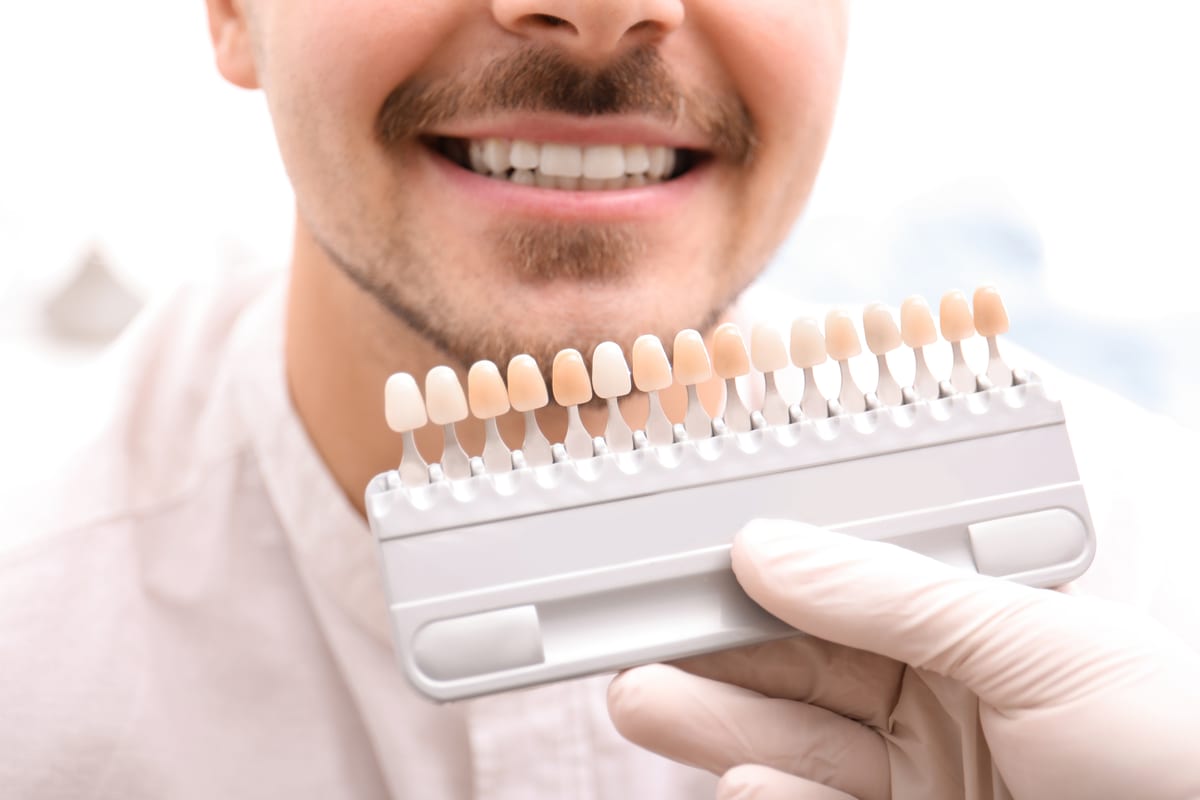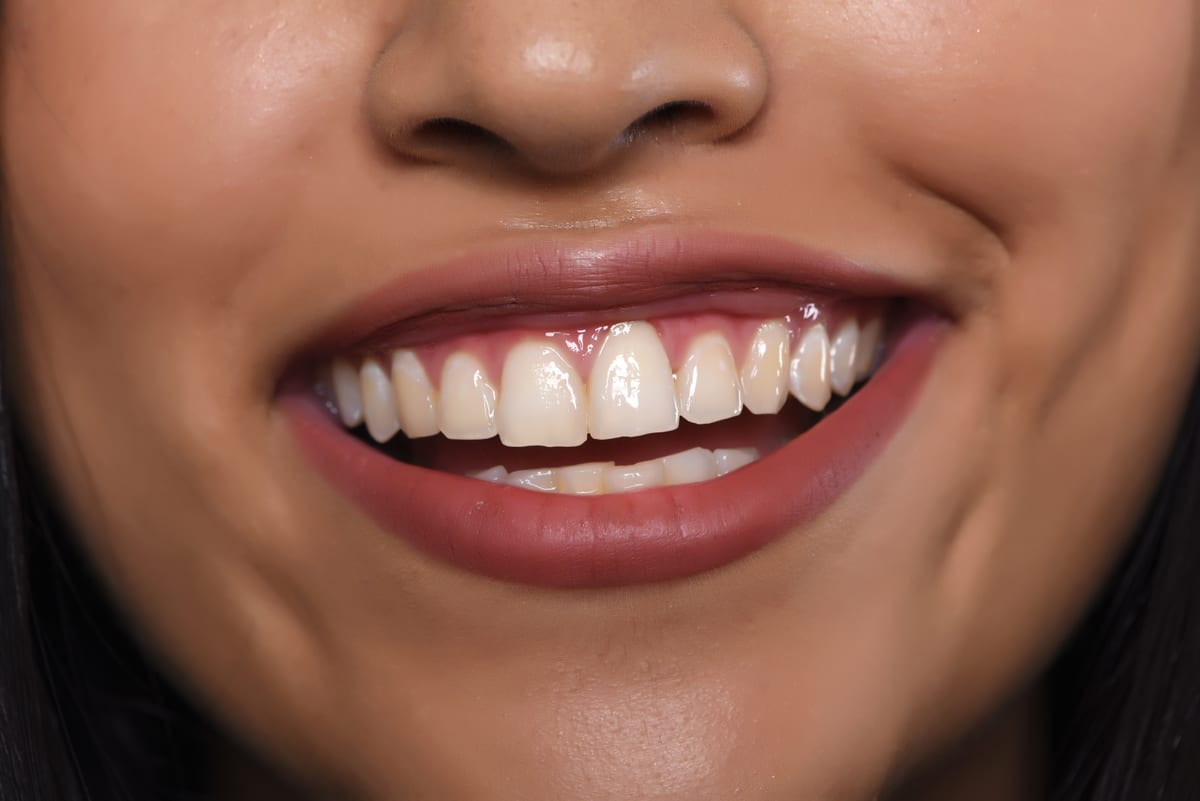


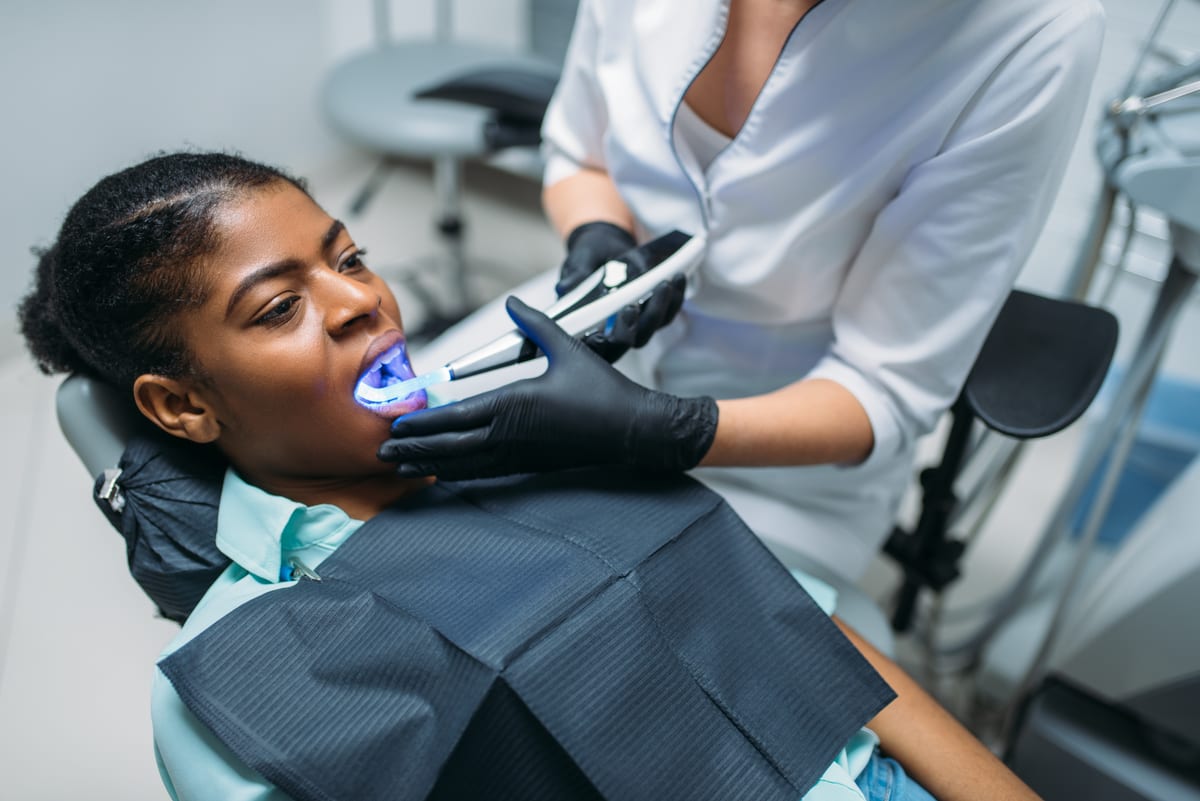
Teeth whitening is one of the most popular smile improvements available today. But many patients in Castle Hills pause when they hear about sensitivity. Understanding teeth whitening sensitivity — why it happens and how to prevent it — helps you make a confident, informed decision. At DentRight Dental San Antonio, Dr. Naureen Jahangir helps patients achieve brighter smiles while keeping discomfort to a minimum.
What Causes Teeth Whitening Sensitivity in Castle Hills Patients?
Whitening products use peroxide-based agents to bleach stains from your enamel. These agents temporarily open tiny pores in the enamel called dentinal tubules. Once open, those tubules expose the nerve endings inside your teeth. That exposure is what triggers the familiar sharp or achy sensation many patients describe.
Sensitivity is not the same for everyone. Some patients feel a brief twinge during treatment. Others notice mild soreness for a day or two afterward. A few patients experience almost nothing at all. Your baseline tooth sensitivity, enamel thickness, and the strength of the whitening agent all play a role in how much discomfort you feel.
Pre-existing conditions also matter. If you already have sensitive teeth, receding gums, or small cracks in your enamel, whitening can intensify that sensitivity. Patients with untreated cavities should address those first. Dr. Jahangir always reviews your dental health before recommending any whitening treatment.
How Dentists Minimize Whitening Sensitivity During Treatment
Professional whitening at DentRight Dental is very different from store-bought kits. Dr. Jahangir customizes the treatment to your specific needs. She selects the right peroxide concentration for your enamel and overall sensitivity level. That precision reduces unnecessary irritation from the start.
Custom-fitted trays are another key advantage of in-office whitening. They hold the gel exactly where it needs to go. Over-the-counter trays often allow gel to seep onto your gums, causing additional irritation. A snug, professional tray keeps the whitening agent on your teeth and away from soft tissue.
Many dental offices also apply a desensitizing gel before or after whitening. This gel contains potassium nitrate or fluoride. Both ingredients help calm the nerve endings inside your teeth. Patients who use this treatment typically report noticeably less discomfort during and after their appointment.
As part of Cosmetic Dentistry Castle Hills services at DentRight Dental, whitening treatments are always preceded by a thorough exam. That exam catches any issues that could worsen sensitivity before treatment begins.
What You Can Do at Home to Prevent Sensitivity
Your habits before and after whitening make a real difference. There are several simple steps Castle Hills patients can take to reduce discomfort at home.
- Switch to a sensitivity toothpaste two weeks before your whitening appointment.
- Use a soft-bristled toothbrush to avoid aggravating the enamel.
- Avoid very hot or cold foods and drinks for 48 hours after whitening.
- Skip acidic foods like citrus and vinegar-based dressings for a day or two.
- Use the desensitizing gel your dentist recommends exactly as directed.
- Follow the treatment schedule Dr. Jahangir provides — do not over-whiten.
Many patients try to speed up their results by whitening more often than recommended. This approach almost always backfires. Over-whitening increases sensitivity without producing noticeably whiter results. Sticking to your prescribed schedule protects your enamel and keeps discomfort manageable.
If sensitivity feels severe or lasts longer than three days, contact DentRight Dental. Prolonged pain after whitening can sometimes signal an underlying issue. It is always better to check in with Dr. Jahangir than to push through significant discomfort.
Who Should Be Cautious About Teeth Whitening?
Whitening is safe for most healthy adults. However, certain patients need extra care before moving forward. Knowing whether you fall into a higher-risk group helps you prepare and set realistic expectations.
- Patients with naturally thin or worn enamel may experience more sensitivity.
- Those with exposed root surfaces due to gum recession should discuss alternatives.
- People with tooth-colored crowns, veneers, or bonding should know that whitening only affects natural enamel.
- Pregnant or breastfeeding patients should postpone elective whitening treatments.
- Patients with active gum disease or untreated decay need to resolve those issues first.
Teeth whitening also does not address structural damage. If a tooth looks dark because of internal staining or an old injury, whitening may not fully correct it. In those cases, options like dental veneers or crowns may offer better results. Dr. Jahangir will walk you through every suitable option during your consultation.
For patients who have had prior dental work, it helps to understand how whitening interacts with restorations. If you have had a Root Canal Retreatment Castle Hills procedure, the treated tooth may respond differently to whitening agents. Your dentist will account for this during your treatment plan.
Long-Term Tips for Maintaining a Bright, Comfortable Smile
Whitening results do not last forever without some upkeep. What you eat and drink has a significant impact on how long your results stay bright. Coffee, tea, red wine, and dark berries are among the biggest culprits for re-staining.
Rinsing your mouth with water after consuming staining foods helps reduce their impact. Brushing twice daily with a whitening toothpaste maintains results between touch-ups. Many patients in Castle Hills find that a brief touch-up session once or twice a year keeps their smile looking its best.
Regular dental cleanings also play an important role. Professional cleanings remove surface stains that build up between whitening sessions. They also give Dr. Jahangir a chance to monitor your enamel health over time. Healthy enamel is less sensitive and more responsive to whitening treatments.
Staying consistent with these habits protects both your smile and your comfort. Whitening does not have to be a painful experience. With the right preparation and professional guidance, most Castle Hills patients achieve excellent results with very manageable sensitivity.
Schedule Your Whitening Consultation at DentRight Dental
Teeth whitening sensitivity is a real concern, but it is also a very manageable one. Dr. Naureen Jahangir and the team at DentRight Dental San Antonio take a thoughtful, patient-first approach to every whitening treatment. We assess your oral health, explain your options honestly, and build a plan that fits your sensitivity level and smile goals. Castle Hills patients deserve a bright smile without unnecessary discomfort. Book Now to schedule your appointment with our team.
Frequently Asked Questions
Is teeth whitening sensitivity permanent?
No, whitening sensitivity is almost always temporary. Most patients notice it during or shortly after treatment, and it typically fades within 24 to 72 hours. If sensitivity lasts longer than three days, contact your dentist to rule out any underlying concerns.
Can I whiten my teeth if I already have sensitive teeth?
Yes, but you need extra preparation and professional supervision. Dr. Jahangir recommends using a sensitivity toothpaste for two weeks before treatment and may adjust the peroxide concentration used. A desensitizing gel applied before or after whitening can also help significantly.
How is professional whitening different from store-bought kits for sensitive patients?
Professional whitening uses custom-fitted trays that prevent gel from touching your gums. Your dentist controls the strength of the whitening agent and can apply desensitizing treatments. Store-bought kits use one-size trays and stronger-than-needed formulas that often increase irritation.
How long do teeth whitening results last?
Results typically last between six months and two years, depending on your diet and oral hygiene habits. Avoiding heavily staining foods and drinks, brushing twice daily, and getting periodic touch-up treatments helps extend your results considerably.
What should I eat after a whitening treatment to avoid sensitivity?
Stick to soft, room-temperature foods for the first 48 hours after whitening. Avoid very hot or cold foods and drinks, acidic items like citrus or vinegar, and darkly pigmented foods like coffee or berries. These steps give your enamel time to remineralize and reduce post-treatment sensitivity.