

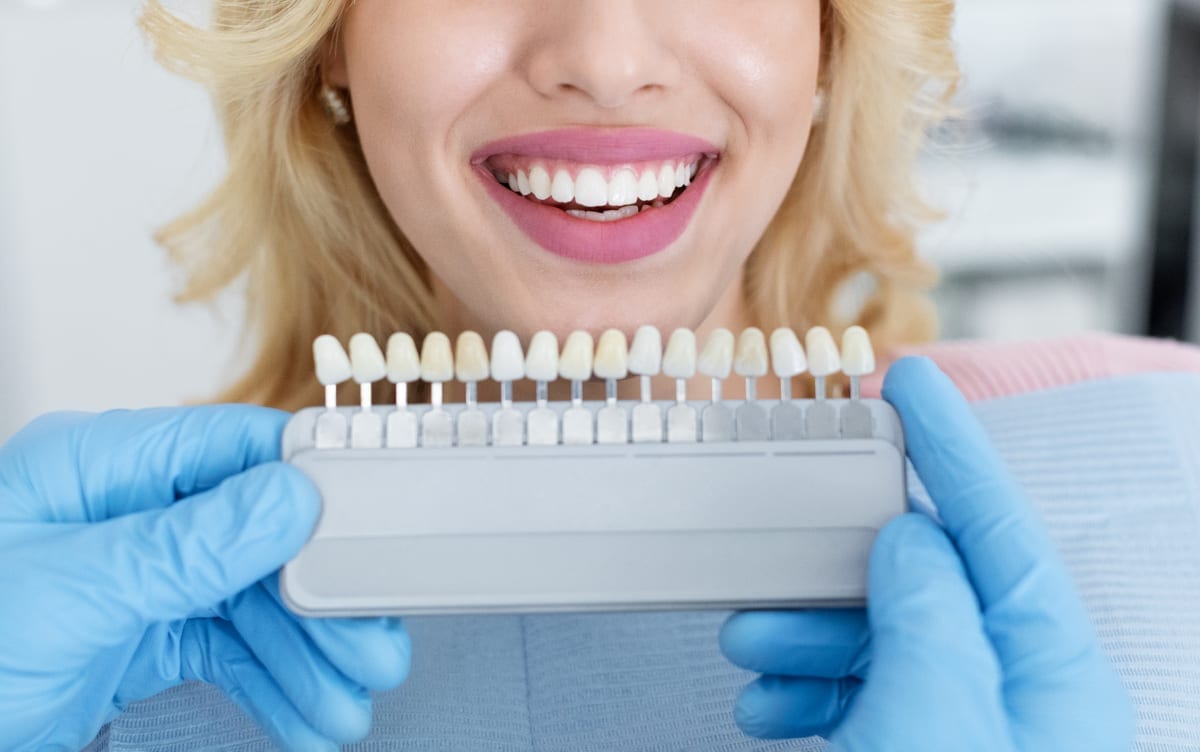
If you live near Olmos Park and have been wondering about dental veneers, you are not alone. Many patients ask about dental veneers explained simply — what they fix and what they cannot. Understanding this distinction helps you make a confident, informed decision. At DentRight Dental San Antonio, Dr. Naureen Jahangir helps patients explore every option with clarity and care.
What Are Dental Veneers?
Dental veneers are thin shells of porcelain or composite resin. A dentist bonds them permanently to the front surface of your teeth. They are custom-made to match the shape, size, and shade you want. The result looks and feels like natural teeth.
Porcelain veneers are the most popular choice. They resist staining better than composite alternatives. They also reflect light the way natural enamel does. Many Olmos Park patients choose porcelain for a lifelike, long-lasting result.
The placement process typically takes two or three appointments. During the first visit, your dentist removes a small amount of enamel. This creates space for the veneer to sit flush with surrounding teeth. Impressions are taken and sent to a dental lab for fabrication.
What Dental Veneers Can Fix in Olmos Park
Dental veneers explained properly means understanding their wide range of cosmetic applications. They are a powerful tool within Cosmetic Dentistry because they address multiple concerns in a single treatment. Patients near Olmos Park regularly use veneers to transform their smiles efficiently.
Here is a list of common problems veneers can correct:
- Permanent tooth discoloration that whitening cannot remove
- Chipped or cracked tooth surfaces
- Mildly misaligned or uneven teeth
- Gaps between front teeth
- Teeth that appear too short or irregularly shaped
- Worn enamel that affects the smile’s appearance
Stubborn stains from tetracycline antibiotics or fluorosis respond well to veneers. Whitening treatments simply cannot penetrate these intrinsic stains. Veneers cover them completely and permanently. This makes them a preferred solution for many patients with deep discoloration.
Veneers also work well for minor spacing issues. If a small gap between your front teeth bothers you, a veneer can close it visually. Your dentist can slightly widen the veneer to bridge the space. No orthodontic treatment is needed in these mild cases.
What Dental Veneers Cannot Fix
Understanding limitations is just as important as knowing the benefits. Veneers are cosmetic by nature — they do not treat underlying dental health problems. Placing a veneer over a damaged or diseased tooth will not solve the core issue. In fact, it can make things worse if the problem goes untreated.
Here are situations where veneers are not the right solution:
- Severe tooth decay or active cavities
- Advanced gum disease requiring periodontal treatment
- Teeth with significant structural damage or large fractures
- Severely misaligned bites needing orthodontic correction
- Teeth that are too weak to support a veneer
- Missing teeth — implants or bridges are needed instead
If a tooth has had extensive decay, it may need a crown instead. A dental crown covers the entire tooth, offering more protection. Your dentist will evaluate the tooth structure before recommending either option. Veneers only cover the front surface and cannot restore full structural integrity.
Patients with teeth grinding habits also need caution. Bruxism places enormous pressure on veneers and can crack them. Dr. Jahangir may recommend addressing TMJ Treatment concerns before proceeding. Protecting the investment in your veneers starts with treating the root cause.
Veneers vs. Other Cosmetic Options: How to Know What You Need
Sometimes patients come in thinking they need veneers but actually need something else. A thorough exam always reveals the best path forward. Dr. Jahangir takes time to understand your goals before recommending any treatment. This approach leads to better outcomes and fewer surprises.
Teeth whitening works well for surface and mild intrinsic stains. It is less invasive and more affordable than veneers. However, it cannot change the shape or size of your teeth. If shape and color are both concerns, veneers may serve you better.
Invisalign is the right choice when alignment is the primary issue. Moving teeth into their correct positions improves function and appearance. Veneers placed over misaligned teeth do not correct the bite. In some cases, patients choose Invisalign first and veneers afterward for the best result.
For teeth with deep decay or root infections, a Root Canal Retreatment may be necessary before any cosmetic work. Treating the infection restores the tooth’s health from the inside. Once stable, cosmetic options like veneers become viable again. Skipping this step risks losing the tooth entirely.
Are You a Good Candidate for Veneers in Olmos Park?
Good candidates have healthy teeth and gums before treatment begins. Any existing decay or gum issues must be treated first. Your enamel must also be thick enough to support the bonding process. Dr. Jahangir assesses all of these factors during your consultation.
Your lifestyle matters too. Patients who avoid habits like nail biting, chewing ice, or teeth grinding tend to enjoy longer-lasting results. Veneers can last ten to twenty years with proper care. Regular brushing, flossing, and dental visits keep them looking their best.
Age is rarely a barrier for veneer candidates. Teens whose teeth have fully developed can be good candidates. Adults of all ages in and around Olmos Park successfully receive veneers each year. What matters most is your overall oral health and your goals.
Frequently Asked Questions
How long does the dental veneer process take?
Most patients complete the veneer process in two to three appointments over a few weeks. The first visit involves tooth preparation and impressions. The second visit places the permanent veneers once they return from the lab. Some cases may require a third appointment for minor adjustments.
Do dental veneers look natural?
Yes, porcelain veneers closely mimic the appearance of natural tooth enamel. They reflect light similarly and are color-matched to surrounding teeth. Most people cannot tell the difference between veneers and natural teeth. Your dentist will work with you to select the right shade and shape.
Are veneers painful to get?
The process involves minimal discomfort for most patients. Local anesthesia is used during the enamel preparation stage. Some sensitivity after placement is normal and typically fades within a few days. Dr. Jahangir ensures patients are comfortable throughout every step of the process.
Can veneers be removed once placed?
Veneers are considered a permanent treatment because enamel is removed during preparation. That enamel does not grow back. Once veneers are placed, the teeth will always require some form of coverage. Replacement with new veneers or crowns is the standard option if they need updating.
What happens if a veneer chips or breaks?
A chipped or broken veneer should be evaluated by your dentist as soon as possible. In many cases, it can be repaired or replaced relatively quickly. Avoiding hard foods and using a nightguard if you grind your teeth reduces this risk significantly. Regular checkups help catch any issues before they worsen.
If you are ready to explore whether dental veneers are the right solution for your smile goals in Olmos Park, Dr. Jahangir and the DentRight Dental San Antonio team are here to guide you. Book Now to schedule your appointment with our team.