

If you are an adult in Alamo Heights considering orthodontic treatment, you likely have one big question: Invisalign vs. braces — which actually works better for adults? Both options straighten teeth effectively. But they differ significantly in comfort, appearance, cost, and the types of cases they can treat. This guide breaks down everything you need to know so you can make a confident, informed decision.
At DentRight Dental San Antonio, Dr. Naureen Jahangir helps adult patients weigh their options every day. Understanding the key differences can save you time, money, and frustration. Let’s dive into what really sets these two treatments apart.
Comfort and Daily Experience: Invisalign vs. Braces for Adults
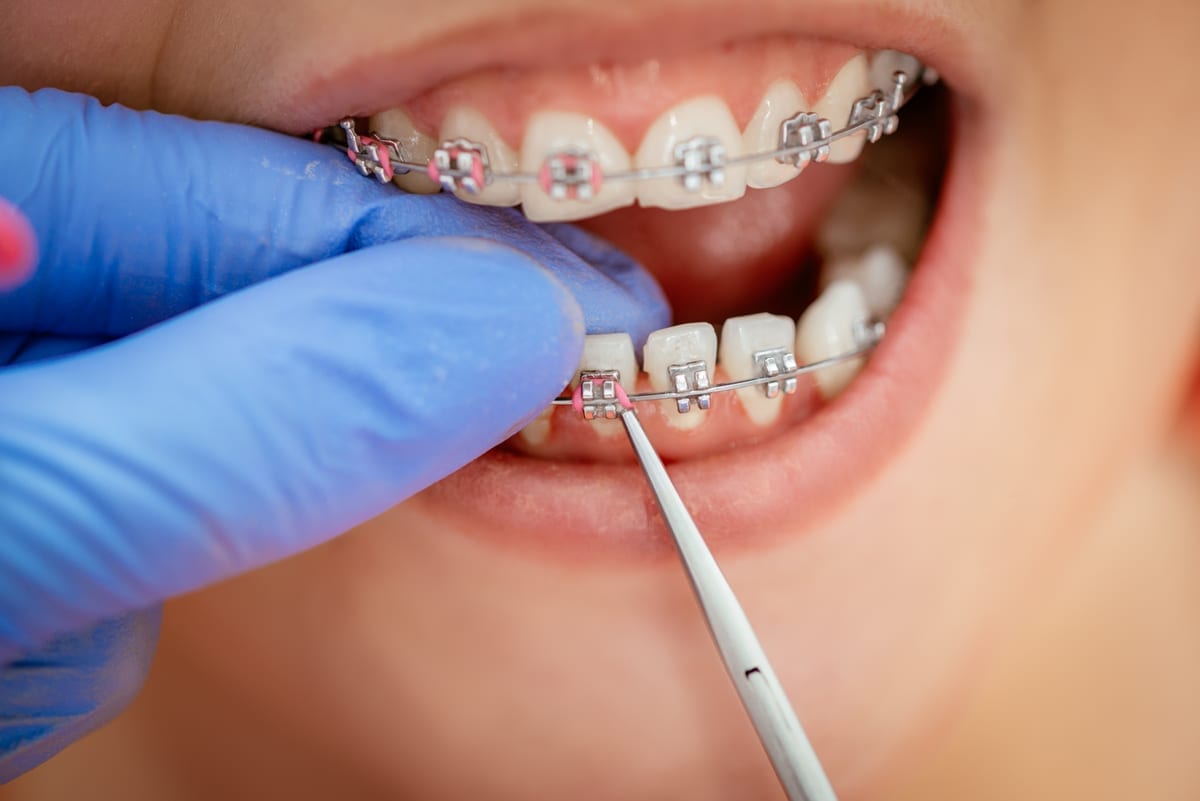
Traditional metal braces use brackets, wires, and rubber bands. These components can irritate the cheeks and gums, especially in the first few weeks. Adults often find this discomfort harder to manage alongside busy work and social schedules.
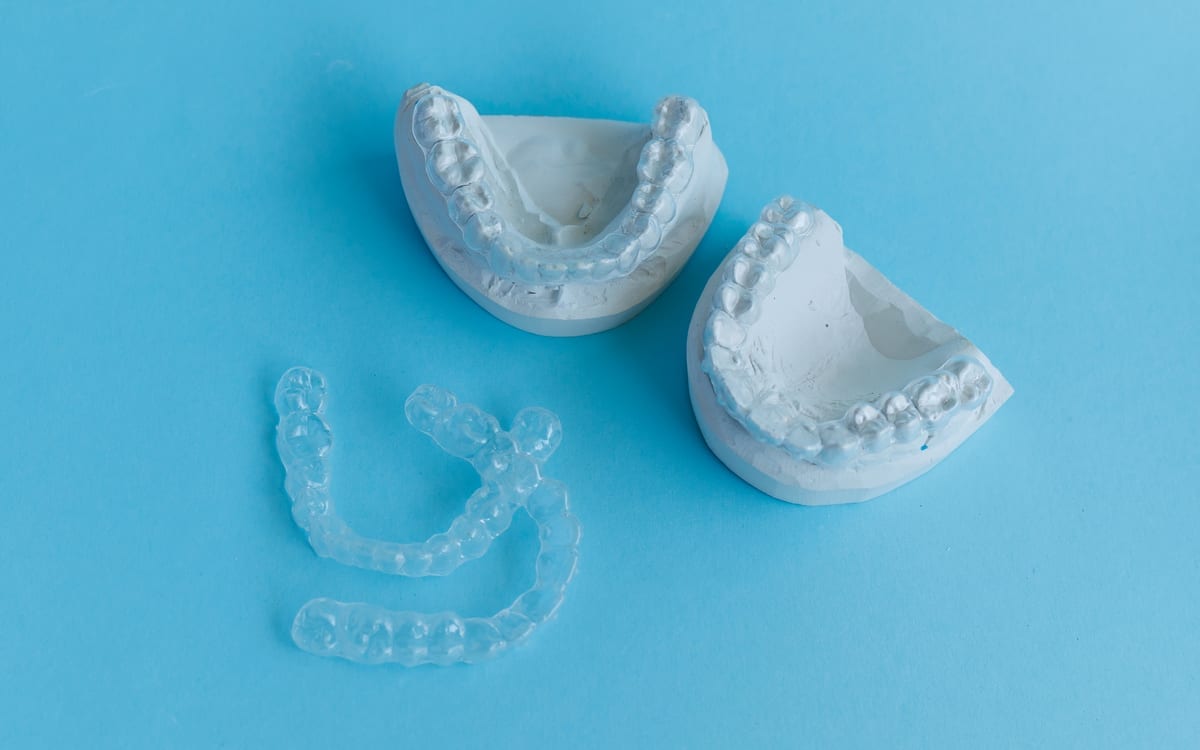
Invisalign uses a series of smooth, custom-fit plastic aligners. Most adults describe them as significantly more comfortable than metal braces. The aligners have no sharp edges and do not require monthly wire tightening appointments.
That said, both treatments involve some soreness when teeth begin to shift. Invisalign soreness typically occurs when switching to a new aligner tray. Braces soreness usually follows each adjustment appointment.
- Braces can cause mouth sores from brackets and wires
- Invisalign aligners are smooth and generally gentler on soft tissue
- Both options may cause temporary pressure or soreness during active tooth movement
- Invisalign allows you to remove the aligners while eating or drinking
Appearance and Confidence During Treatment in Alamo Heights
For most adults, appearance is one of the biggest deciding factors. Metal braces are highly visible and can feel out of place in professional settings. Many adult patients in Alamo Heights worry about how braces will affect their confidence at work or in social situations.
Invisalign aligners are nearly invisible when worn. Most people will not notice them unless they look very closely. This makes Invisalign a popular choice for adults who want to straighten their teeth discreetly.
Ceramic braces are a middle-ground option. They use tooth-colored brackets that blend better than metal. However, they are still more noticeable than Invisalign and can stain over time.
If visibility matters to you, Invisalign is the clear winner. It allows you to smile confidently throughout the entire treatment process. Many patients appreciate maintaining a polished, professional appearance while their teeth are being corrected.
Treatment Scope: What Each Option Can Actually Fix
This is where many adults get surprised. Invisalign has improved dramatically over the past decade. It can now treat a wide range of orthodontic issues that once required traditional braces.
Cosmetic Dentistry goals like closing small gaps, correcting mild crowding, and fixing minor bite issues are well within Invisalign’s capabilities. For more complex cases — severe crowding, significant overbite, or rotated teeth — traditional braces may still be the stronger option.
- Invisalign works well for: mild to moderate crowding, spacing issues, minor bite correction
- Traditional braces are better for: severe misalignment, complex bite issues, significant rotation
- Both options can address relapse cases where teeth have shifted after prior treatment
- Your dentist will evaluate your specific case before recommending one over the other
Dr. Jahangir conducts thorough evaluations before recommending any treatment. She considers the severity of misalignment, your lifestyle, and your long-term goals. Not everyone is a candidate for Invisalign, and an honest assessment matters.
Compliance, Maintenance, and Lifestyle Factors
Braces are fixed to your teeth. You cannot remove them. This actually guarantees compliance because the treatment is always working. Patients who struggle with self-discipline may achieve more consistent results with braces.
Invisalign requires wearing aligners for 20 to 22 hours per day. Skipping wear time slows progress and can extend your treatment timeline. Adults who travel frequently, dine out often, or have an active social life tend to appreciate the flexibility Invisalign offers.
Oral hygiene is also easier with Invisalign. You simply remove the aligners to brush and floss normally. Braces require special flossing tools and more careful brushing around brackets and wires. Poor hygiene with braces can lead to plaque buildup and even the need for procedures like Root Canal Retreatment if decay goes unmanaged.
Consider your lifestyle honestly. If you are disciplined and consistent, Invisalign is a comfortable and effective choice. If you prefer a set-it-and-forget-it approach, braces may deliver more predictable results for you.
Cost Comparison: Is One Option More Affordable?
Cost is a practical concern for most adult patients. Traditional braces generally cost less than Invisalign, though pricing varies widely based on case complexity. In the San Antonio area, both options represent a significant investment in your long-term oral health.
Invisalign pricing has become more competitive over recent years. Many practices now offer flexible financing plans that make Invisalign more accessible. The total cost difference between the two options has narrowed considerably.
It is important to factor in the full picture. Invisalign saves you time at adjustment appointments. It also reduces the risk of dental issues caused by poor hygiene around braces. Over the course of treatment, these indirect savings can add up.
Always ask for a full cost breakdown before committing to either option. DentRight Dental San Antonio provides transparent pricing so Alamo Heights patients can plan confidently.
Making the Right Choice for Your Smile
The best orthodontic treatment is the one that fits your specific needs, lifestyle, and dental health. There is no universal answer to the Invisalign vs. braces debate for adults. Both options can deliver beautiful, lasting results when used correctly.
Adults in Alamo Heights deserve a treatment plan built around their real life — not a one-size-fits-all solution. Dr. Naureen Jahangir takes time to understand your goals before recommending any approach. A personalized consultation is the most important first step you can take.
Whether you choose Invisalign or traditional braces, committing to the full treatment process is what makes the difference. Follow your provider’s instructions, attend every appointment, and maintain good oral hygiene throughout. Your results depend on your consistency as much as the treatment itself.
Ready to explore your options with a trusted Alamo Heights dental provider? Book Now to schedule your appointment with our team.
Frequently Asked Questions
Is Invisalign really as effective as braces for adults?
Yes, for mild to moderate alignment issues, Invisalign is just as effective as traditional braces. However, complex cases involving severe crowding or significant bite problems may still require braces. Dr. Jahangir will evaluate your specific situation and recommend the best option for your needs.
How long does Invisalign treatment take for adults compared to braces?
Invisalign treatment for adults typically takes 12 to 18 months for moderate cases. Traditional braces often require 18 to 24 months, depending on complexity. Your actual timeline depends on the severity of your alignment issues and how consistently you wear your aligners.
Can adults really wear Invisalign comfortably in a professional setting?
Absolutely. Invisalign aligners are designed to be nearly invisible and fit snugly over your teeth. Most coworkers and clients will not notice them at all. Many adult professionals in Alamo Heights choose Invisalign specifically because it does not interfere with their appearance or confidence at work.
What happens if I lose or break an Invisalign aligner?
If you lose or break an aligner, contact your dental provider right away. You may be instructed to wear your previous aligner or move to the next one in the series. Replacement aligners can be ordered, though there may be an additional cost. It is wise to keep your previous tray as a backup.
Do I need a retainer after finishing Invisalign or braces?
Yes, retainers are essential after completing either type of orthodontic treatment. Teeth naturally tend to shift back toward their original positions over time. Wearing your retainer as directed by Dr. Jahangir protects your investment and keeps your smile looking its best long after treatment ends.