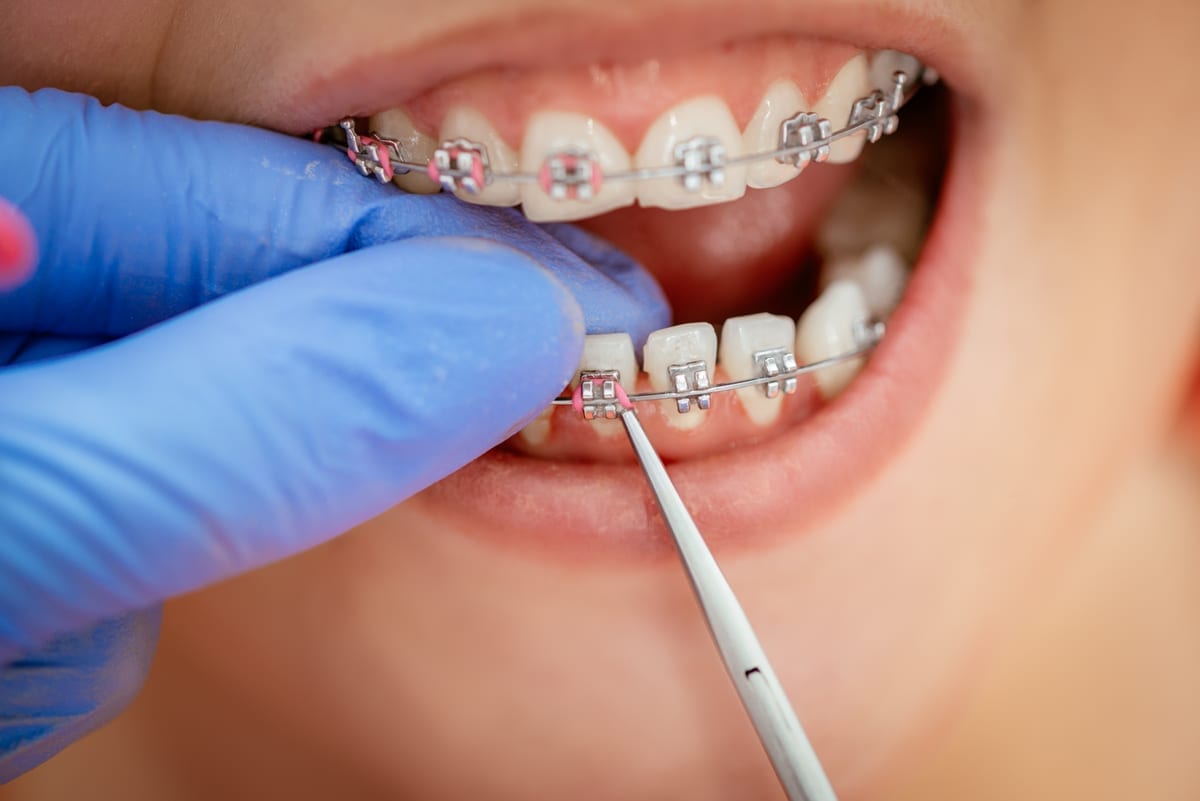


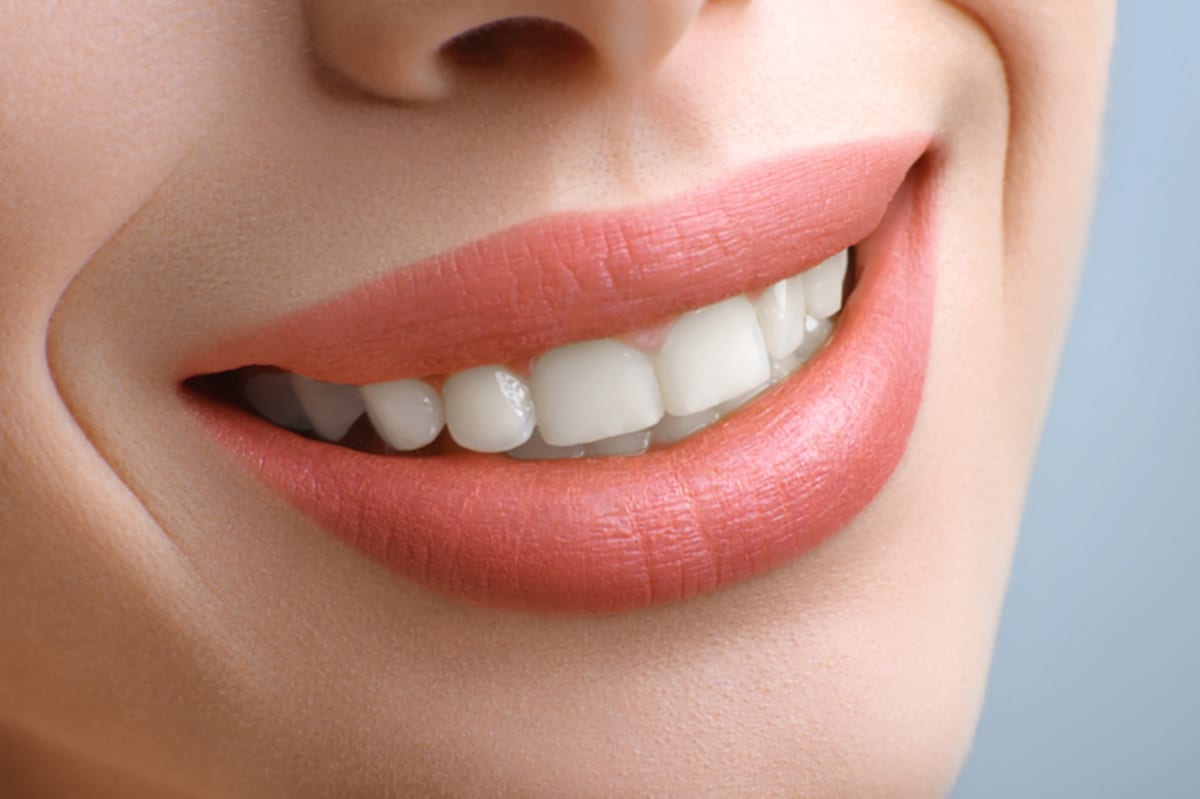
Many Castle Hills patients ask the same important question before treatment: is professional teeth whitening safe for your enamel and gums? It is a fair concern. You want a brighter smile, but not at the cost of your dental health. The good news is that when performed correctly, professional whitening is both effective and well-tolerated for most patients.
At DentRight Dental San Antonio, Dr. Naureen Jahangir takes a careful, patient-first approach to every whitening consultation. Understanding the science behind whitening helps you make a confident, informed decision. This article covers what the research says, who benefits most, and who should pause before booking treatment.
How Professional Teeth Whitening Works and What It Does to Enamel
Professional whitening uses a peroxide-based gel — typically hydrogen peroxide or carbamide peroxide. This gel penetrates the outer enamel layer and breaks apart discolored molecules inside the tooth structure. The process is chemical, not abrasive, so it does not scrape or grind the enamel surface.
Many patients worry that whitening erodes enamel over time. Studies consistently show that professionally applied whitening agents cause no significant enamel loss when used as directed. The concentration of the gel and the duration of application both matter greatly. That is why in-office treatment under professional supervision is safer than unsupervised at-home products.
One temporary effect is increased enamel porosity right after treatment. This can make teeth feel mildly sensitive for a short period. That sensitivity typically resolves within 24 to 48 hours. Dr. Jahangir monitors this carefully and adjusts treatment when needed.
Is Professional Teeth Whitening Safe for Your Enamel and Gums Castle Hills Patients Should Know
Gum safety is just as important as enamel safety. Professional whitening gels can irritate soft tissue if they contact the gums directly. In a clinical setting, your dentist applies protective barriers to shield your gum line throughout the procedure.
These barriers include specialized gum shields and light-cured resin materials. They prevent the whitening gel from pooling around the gum tissue. This is a significant advantage of professional treatment over unmonitored over-the-counter strips or trays.
Here are the key gum-safety measures used during in-office whitening at DentRight Dental:
- Custom-fitted trays that minimize gel overflow onto gum tissue
- Isolation barriers applied before any gel is introduced
- Careful monitoring throughout each application cycle
- Lower concentration gels for patients with a history of gum sensitivity
- Post-treatment fluoride application to support enamel remineralization
These steps make a meaningful difference. Patients who self-apply generic whitening products often skip these precautions entirely, which increases the risk of gum irritation and uneven results.
Who Should Avoid Teeth Whitening or Proceed With Caution
Professional whitening is not the right choice for every patient. Certain conditions require evaluation before treatment begins. Being transparent about your dental history helps Dr. Jahangir determine whether whitening is appropriate for you right now.
Patients who may need to pause or avoid whitening include those with the following:
- Active tooth decay or untreated cavities
- Cracked teeth or exposed dentin
- Severely receded gums that expose root surfaces
- Crowns, veneers, or bonding on front teeth (these do not respond to whitening gel)
- Known hypersensitivity to peroxide products
- Pregnant or nursing patients (whitening is deferred as a precaution)
If you have existing restorations, whitening only the natural teeth can create noticeable color mismatches. A full cosmetic evaluation through Cosmetic Dentistry services can help identify the best sequencing for your treatment plan.
Patients currently undergoing or recovering from Root Canal Retreatment should also consult with Dr. Jahangir before scheduling whitening. Tooth structure and nerve status after retreatment can affect how whitening gel interacts with that tooth.
In-Office Whitening Versus At-Home Kits: A Safety Comparison
The market is full of whitening products available without a prescription. Strips, gels, LED devices, and whitening toothpastes all promise dramatic results. However, their safety profiles and effectiveness differ significantly from professional-grade treatment.
Over-the-counter whitening products typically contain lower peroxide concentrations. This sounds safer, but it often leads to longer or more frequent application to achieve results. Extended unsupervised use raises the risk of gum irritation and uneven whitening.
Professional in-office whitening at DentRight Dental offers these distinct advantages:
- Clinically appropriate peroxide concentrations applied by a trained professional
- Faster, more consistent results in a single appointment
- Custom-fitted trays or barriers that protect gum tissue precisely
- A full dental examination before treatment begins
- Access to desensitizing agents if sensitivity occurs
In-office treatment also gives Castle Hills patients access to professional guidance they simply cannot get from a box on a store shelf. Dr. Jahangir can identify early signs of sensitivity and adjust the protocol immediately.
What to Expect After Your Whitening Appointment
Knowing what is normal after whitening helps patients feel reassured. Mild tooth sensitivity is the most commonly reported side effect. It usually peaks within the first few hours and fades completely within two days.
Avoiding very hot or very cold foods and beverages for 24 hours reduces discomfort. Desensitizing toothpaste can further ease any residual sensitivity. Dr. Jahangir may recommend a fluoride treatment at the end of your whitening session to support enamel recovery.
Results from professional whitening typically last between six months and two years. Maintenance depends on dietary habits, oral hygiene, and lifestyle factors like coffee, tea, or tobacco use. Periodic touch-up treatments help Castle Hills patients maintain their results over time.
Conclusion: Safe, Supervised Whitening Starts With the Right Consultation
Professional teeth whitening is a safe, well-researched treatment when properly supervised. The key is starting with an honest evaluation of your current dental health. At DentRight Dental San Antonio, Dr. Naureen Jahangir ensures every Castle Hills patient receives a thorough assessment before any whitening treatment begins. Book Now to schedule your appointment with our team.
Frequently Asked Questions
Does professional teeth whitening damage enamel?
Clinical research shows that professionally applied whitening agents do not cause significant enamel damage when used correctly. Temporary porosity and mild sensitivity can occur, but these effects resolve quickly. Proper supervision and professional-grade products make in-office whitening much safer than unsupervised alternatives.
Is teeth whitening safe for sensitive gums?
Patients with sensitive gums can often still receive whitening treatment safely. Dr. Jahangir uses protective barriers and lower-concentration gels to minimize gum exposure. A thorough evaluation before treatment helps determine the safest approach for your specific gum health.
How long does tooth sensitivity last after whitening?
Most patients experience sensitivity for 24 to 48 hours after professional whitening. Using a desensitizing toothpaste and avoiding extreme temperatures during this period helps manage discomfort. Sensitivity that persists beyond two days should be reported to your dentist promptly.
Can I whiten my teeth if I have dental crowns or veneers?
Whitening gel does not change the color of crowns, veneers, or bonding materials. If you have visible restorations on front teeth, whitening the natural teeth can create a color mismatch. Dr. Jahangir recommends a cosmetic consultation to plan the best approach for a uniform result.
How often can I safely have my teeth professionally whitened?
Most patients benefit from touch-up whitening every six to twelve months. The appropriate frequency depends on your diet, oral hygiene routine, and the original depth of staining. Dr. Jahangir will recommend a maintenance schedule that protects your enamel and keeps your results consistent.