


Not all smile problems qualify for Invisalign—does yours? That is the first question many Alamo Heights patients ask when they explore clear aligner treatment. Invisalign has transformed orthodontics for millions of people. But it is not the right solution for every case. Understanding candidacy before you commit saves time, money, and frustration.
At DentRight Dental San Antonio, Dr. Naureen Jahangir evaluates each patient individually. She looks at bite alignment, crowding severity, and overall oral health. This thorough approach ensures every patient receives the treatment that truly works for their smile.
What Invisalign Can Effectively Treat in Alamo Heights
Invisalign uses a series of custom clear aligners. Each tray gently shifts teeth into a more ideal position over time. The system works best for mild to moderate orthodontic issues. Patients with these concerns are often excellent candidates.
Here are the conditions Invisalign commonly treats well:
- Mild to moderate crowding — teeth that overlap slightly or sit too close together
- Mild spacing issues — small gaps between teeth that affect appearance
- Mild overbite — upper teeth that extend slightly too far over the lower teeth
- Mild underbite — lower teeth that sit slightly in front of the upper teeth
- Crossbite — a few upper teeth sitting inside the lower teeth when you bite
- Open bite — front teeth that do not meet when the back teeth close
Many Alamo Heights patients fall into these categories. A professional consultation confirms whether your case fits within these parameters. Early treatment often produces the fastest and most predictable results.
Cases Where Invisalign May Not Be Enough
Invisalign is powerful, but it has real limitations. Some orthodontic problems require more force than clear aligners can provide. In these situations, traditional braces or other treatments deliver better outcomes. Recognizing these cases protects you from wasted treatment time.
Invisalign typically struggles with:
- Severe crowding — teeth that are significantly rotated or deeply overlapping
- Large gaps — wide spacing that requires substantial tooth movement
- Severe overbite or underbite — jaw misalignment that involves bone structure
- Significant tooth rotation — teeth that need to rotate more than 20 degrees
- Vertical tooth movements — teeth that need to be extruded or intruded dramatically
- Complex bite corrections — cases requiring jaw surgery or advanced mechanics
Traditional braces use brackets and wires attached directly to the teeth. This gives orthodontists greater control over complex movements. If Dr. Jahangir determines your case is complex, she will explain exactly why and what alternatives may help.
The Role of Oral Health in Invisalign Candidacy
Your teeth and gums must be healthy before starting Invisalign. Active gum disease or untreated decay can worsen under aligner pressure. Addressing these issues first is not optional — it is essential. Healthy teeth move more predictably and safely.
Some patients also have TMJ concerns that affect their candidacy. TMJ dysfunction can cause jaw pain, clicking, and uneven bite pressure. Treating this condition before orthodontics often leads to better long-term results. Dr. Jahangir screens for TMJ issues during every comprehensive exam.
Patients who have previously had dental work also need careful evaluation. Crowns, bridges, and implants do not move with aligners. Existing restorations may limit what Invisalign can achieve. If you are also considering Cosmetic Dentistry Alamo Heights services alongside orthodontics, sequencing matters greatly.
Root canal history does not automatically disqualify a patient. However, teeth that have received root canal therapy can sometimes be more brittle. Dr. Jahangir reviews each case carefully. If you have questions about past dental work and treatment eligibility, our team is here to help.
What to Expect During Your Invisalign Consultation at DentRight Dental
Your candidacy evaluation is a detailed, collaborative process. Dr. Jahangir does not simply look at your teeth and make a quick decision. She gathers comprehensive diagnostic information first. This ensures her recommendation is accurate and personalized.
Here is what your consultation typically involves:
- Full dental examination — checking for decay, gum disease, and existing restorations
- Digital X-rays — evaluating roots, bone levels, and jaw structure
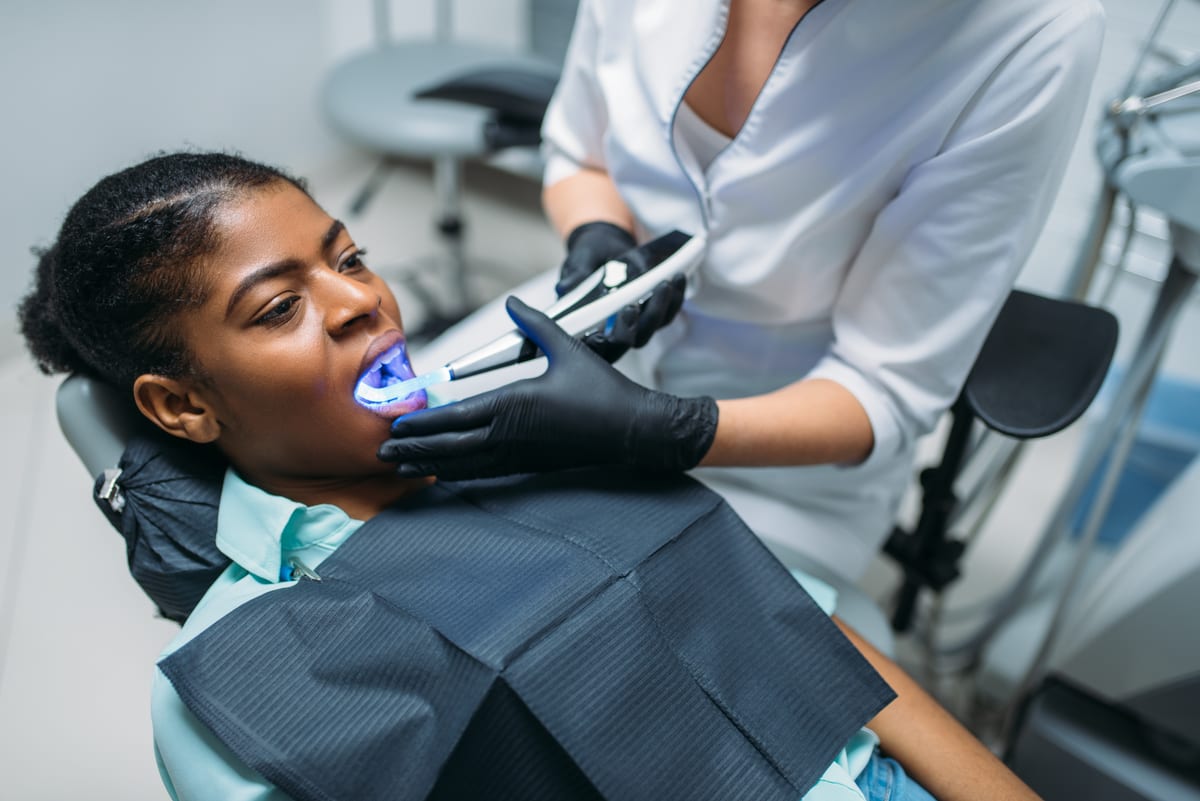
- 3D digital impressions — mapping your teeth and bite digitally without messy molds
- Bite analysis — assessing overbite, underbite, crossbite, and open bite
- Treatment discussion — reviewing your goals and explaining all available options
If Invisalign is not the right fit, Dr. Jahangir will be transparent about why. She may recommend traditional braces, a referral to an orthodontist, or another path. Patients in Alamo Heights deserve honest, complete information before making any treatment decision.
In some cases, patients require restorative care before orthodontic treatment begins. For example, a tooth with an infected pulp needs attention first. Procedures like Root Canal Retreatment Alamo Heights may be a necessary step before aligner therapy can start safely.
Invisalign vs. Traditional Braces: Which Is Right for You?
Choosing between Invisalign and braces is not just about aesthetics. It is about which option will move your teeth effectively. Both systems have strengths and the right choice depends on your specific case. Dr. Jahangir helps patients understand the trade-offs clearly.
Invisalign offers several advantages for the right candidate:
- Removable aligners make eating and brushing easier
- Clear material is nearly invisible during treatment
- Fewer office visits are often needed throughout the process
- No metal wires or brackets to irritate soft tissue
Traditional braces remain the gold standard for complex cases. They provide more precise control over tooth position and rotation. They also work continuously since patients cannot remove them. For severe bite problems, braces often outperform clear aligners significantly.
Some patients benefit from a hybrid approach. They may use braces to correct complex movements first. Then they transition to Invisalign refinements for finishing touches. This strategy combines the strengths of both systems effectively.
Conclusion: Find Out if Invisalign Is Right for You
Not all smile problems qualify for Invisalign — and that is perfectly okay. What matters is finding the treatment that will work best for your unique situation. Alamo Heights patients deserve a clear, honest evaluation from a dentist who knows their case inside and out. Dr. Naureen Jahangir and the DentRight Dental San Antonio team are ready to give you exactly that. Book Now to schedule your appointment with our team.
Frequently Asked Questions
How do I know if I qualify for Invisalign in Alamo Heights?
The best way to determine candidacy is through a professional consultation. Dr. Jahangir will examine your teeth, review digital X-rays, and assess your bite. She will then explain clearly whether Invisalign is appropriate for your case or whether another treatment may work better.
Can Invisalign fix a severe overbite or underbite?
Invisalign can address mild to moderate overbites and underbites effectively. Severe cases that involve significant jaw misalignment may require traditional braces or even surgical intervention. Dr. Jahangir will evaluate your bite in detail and recommend the most effective treatment path for your situation.
Does existing dental work affect my Invisalign candidacy?
Yes, existing crowns, bridges, and implants can influence what Invisalign can achieve. These restorations do not move with aligners, which can limit tooth movement options. Dr. Jahangir reviews all prior dental work during your consultation to determine how it may affect your treatment plan.
What happens if Invisalign is not right for me?
If Invisalign is not the right fit, Dr. Jahangir will explain your alternatives clearly and honestly. Options may include traditional braces, a referral to a specialist, or other restorative and cosmetic solutions. The goal is always to find the most effective path to your healthiest, best-looking smile.
How long does Invisalign treatment typically take?
Treatment length varies based on the complexity of your case. Mild corrections may take as little as six months. More involved cases can take 12 to 18 months or longer. Dr. Jahangir will give you a realistic timeline estimate during your initial consultation based on your specific needs.