

If you are currently in Invisalign treatment, you have probably wondered why your aligners change every two weeks. Understanding why your Invisalign aligners change every two weeks in Alamo Heights helps you stay committed to your treatment plan. It is not just an arbitrary schedule — there is real science behind it. Dr. Naureen Jahangir at DentRight Dental San Antonio is here to break it all down for you.
How Invisalign Actually Moves Your Teeth
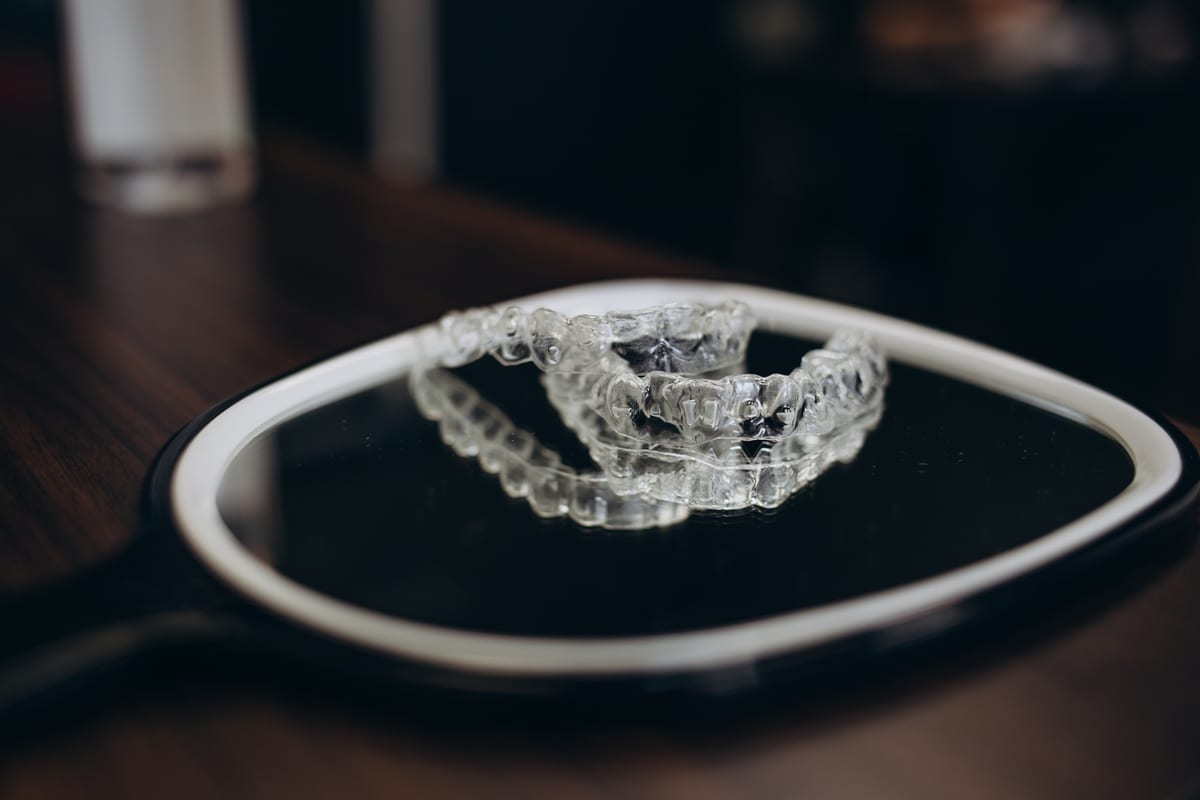
Invisalign works by applying consistent, controlled pressure to specific teeth. Each aligner tray is custom-fabricated to move your teeth a tiny fraction of a millimeter. These micro-movements accumulate over time to create a straighter, healthier smile. The process is more precise than most patients expect.
Your teeth do not move in one big leap. Instead, they shift gradually through a biological process called bone remodeling. When pressure is applied to a tooth, the surrounding bone breaks down on one side and rebuilds on the other. This allows your tooth to shift safely into its new position.
Each aligner tray is programmed for a specific stage of that movement. Once a tray has done its job, the next one picks up exactly where it left off. This is why skipping trays or wearing them out of order can seriously disrupt your results.
Why the Two-Week Schedule Exists for Alamo Heights Patients
The two-week interval is not random — it is carefully calculated. Bone remodeling takes time, and two weeks is typically enough for your teeth to settle into the position the current aligner targets. Moving too fast can cause discomfort and even damage the roots of your teeth.
Studies in orthodontic treatment consistently support a seven-to-fourteen-day wear cycle. Dr. Jahangir follows the clinically recommended schedule to protect your long-term oral health. Rushing the process may feel tempting, but patience produces better and safer outcomes.
Some patients in Alamo Heights are now eligible for one-week aligner changes. This option depends on your specific tooth movement plan and compliance history. Dr. Jahangir will assess whether accelerated changes are appropriate for your case during your progress visits.
- Standard aligner change: every 14 days
- Accelerated option: every 7 days (for qualifying patients)
- Wear time required: 20–22 hours per day
- Missing wear time delays the entire treatment timeline
- Each tray builds on the progress of the previous one
The Role of Attachments in Your Invisalign Treatment
Many patients are surprised to learn that Invisalign often involves small tooth-colored bumps called attachments. These are bonded directly to specific teeth and act as anchors. They give each aligner tray something to grip, enabling more complex tooth movements. Without them, certain rotations and vertical shifts would be nearly impossible.
Attachments are made from a composite resin that closely matches your natural tooth color. Most people cannot notice them during normal conversation. They are removed at the end of your treatment without damaging the tooth surface. Think of them as teammates working alongside your aligners.
Not every Invisalign patient needs attachments. Your treatment complexity determines whether they are necessary. Dr. Jahangir will explain during your consultation whether attachments are part of your individualized plan.
- Attachments help with rotations, extrusions, and complex shifts
- They are tooth-colored and blend naturally with your smile
- They are painlessly removed at treatment completion
- They improve the precision of each aligner’s movement
What Are Refinements and Why Might You Need Them
Even with a carefully planned Invisalign treatment, teeth do not always move exactly as predicted. Refinements are additional aligner trays created partway through or at the end of your treatment. They fine-tune your results and ensure your final smile matches your original goals. Refinements are a normal and expected part of many Invisalign journeys.
Your teeth are living structures attached to bone, soft tissue, and nerves. Biological variation means that the same pressure does not always produce identical results in every patient. Refinements allow Dr. Jahangir to course-correct and optimize your outcome. They are not a sign that something went wrong.
When you finish your initial aligner series, Dr. Jahangir will evaluate your progress with digital scans. If your teeth need additional movement, new trays will be designed and ordered. Most patients need at least one round of refinements before achieving their final result.
Keeping Your Smile Healthy Throughout Invisalign Treatment
Invisalign treatment is a great time to pay extra attention to your overall oral health. Aligners trap saliva and bacteria against your teeth if you eat or drink anything other than water while wearing them. This increases your risk of cavities and gum irritation. Removing your trays before every meal or snack is essential.
Cleaning your aligners daily prevents buildup and keeps them clear. Use a soft toothbrush and lukewarm water — never hot water, which can warp the plastic. Brush and floss your teeth thoroughly before reinserting your trays each time. Small habits protect both your smile and your investment.
Invisalign pairs beautifully with other smile-enhancing treatments. Many Alamo Heights patients combine their orthodontic treatment with Cosmetic Dentistry services for a complete transformation. Teeth whitening after Invisalign is especially popular. Talk to Dr. Jahangir about timing these treatments for the best results.
Some patients arrive at DentRight Dental with existing dental concerns that need attention before starting Invisalign. Issues like tooth decay or infections must be resolved first. In some cases, patients may need Root Canal Retreatment before orthodontic treatment can safely begin. Dr. Jahangir conducts a thorough evaluation at every new patient visit.
Conclusion: Your Alamo Heights Invisalign Journey Starts Here
Understanding why your Invisalign aligners change every two weeks in Alamo Heights gives you confidence in your treatment. Every tray, every two-week interval, and every attachment serves a specific purpose. The science behind Invisalign is precise, and so is the care you receive at DentRight Dental San Antonio. Dr. Naureen Jahangir is committed to guiding every Alamo Heights patient through each step with expertise and warmth.
You deserve a smile that reflects how you feel on the inside. If you are ready to start your Invisalign journey or have questions about your current treatment, we are here to help. Book Now to schedule your appointment with our team.
Frequently Asked Questions
Why do Invisalign aligners change every two weeks instead of every week?
The two-week schedule allows enough time for bone remodeling to safely occur. Teeth move through a biological process that requires adequate time to complete. Moving too quickly can stress the roots and surrounding bone. Some patients may qualify for weekly changes, but this is evaluated case by case.
What happens if I forget to wear my aligners for a full day?
Missing a full day of wear can slow your treatment progress. Invisalign aligners must be worn 20 to 22 hours daily to work as planned. If you miss significant wear time, your teeth may not be ready for the next tray on schedule. Contact Dr. Jahangir if this happens so she can advise you on next steps.
Are Invisalign attachments noticeable to other people?
Attachments are made from tooth-colored composite resin and blend in naturally with your teeth. Most people will not notice them during everyday interactions. They are small, smooth, and designed to be as discreet as possible. They are completely removed at the end of your treatment.
How many rounds of refinements does the average Invisalign patient need?
Most patients need at least one round of refinements to finalize their results. The number depends on the complexity of your case and how your teeth responded to treatment. Refinements are a planned part of comprehensive Invisalign care, not a complication. Dr. Jahangir uses digital scans to determine exactly what additional movement is needed.
Can I start Invisalign if I have an existing dental problem like a cavity?
Existing dental issues such as decay or infection should be treated before starting Invisalign. Orthodontic movement can worsen untreated problems or interfere with treatment planning. Dr. Jahangir performs a full oral health evaluation before recommending Invisalign. Once any concerns are resolved, your aligner treatment can begin safely.